
Wait, that can’t be right! Why would I want clients to attend a nature-led coaching or equine-facilitated learning (EFL) session and go away angry? The whole point of our activities is to help clients relax, de-stress, build resilience, assertiveness and self-confidence. How does anger fit into this? Well, maybe anger isn’t the right word. I’ll explain, and you can decide.
Nature relaxes us
There’s tons of evidence that being in nature and interacting with animals like horses helps us physically and mentally.
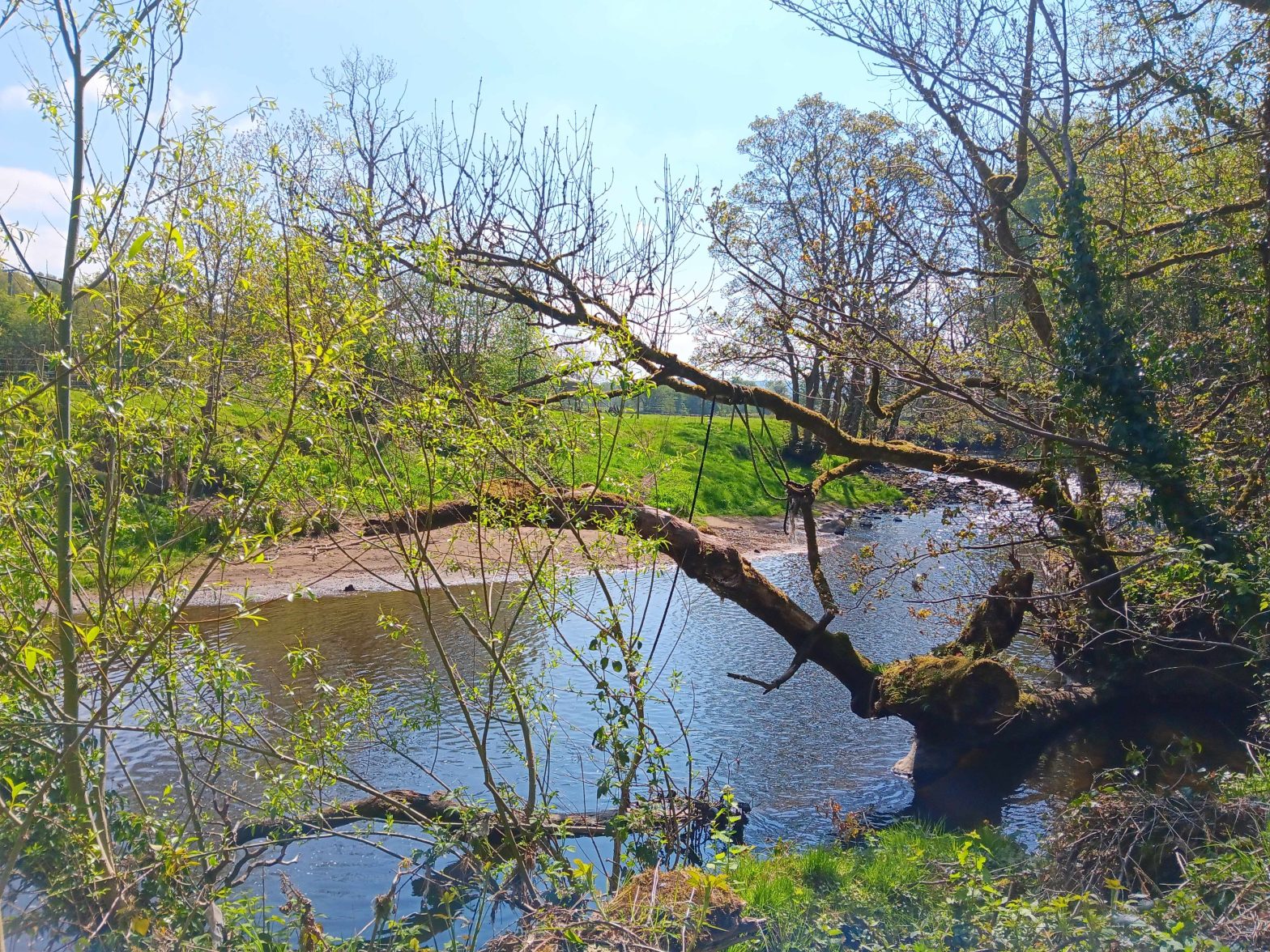
Our nature-led coaching sessions give clients an hour or two to immerse themselves in the woodland, grassland and riverbank environments. It helps them escape the noise and speed of daily life, which can bring a different perspective to problems or challenges. In EFL activities, interactions with the horses can be calming and revealing.
Clients usually go home feeling more relaxed, maybe more focused on the positives in life or more empowered to cope with the negatives.
Nature is at risk
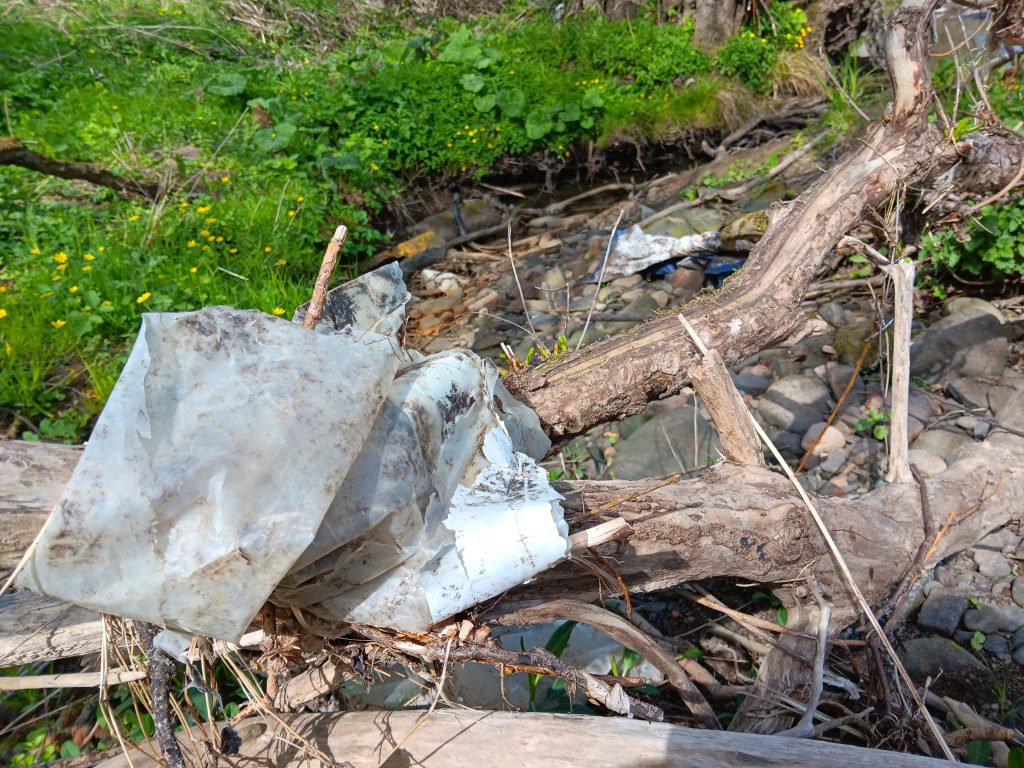
Nevertheless, we can’t escape the fact that we are doing these relaxing activities in an environment that is fundamentally under threat. We are doing our best to look after WiseWoods, our small slice of the environment. But multiple external factors constantly undermine our efforts. From the impact of global warming (drier summers, wetter winters) on the health and longevity of the trees, to the pollution being pumped into our stretch of river, to the plastic floating downstream – the results are visible to our clients and us.
Listening to nature
We could ignore what we see around us and stay completely focused on the coaching task. But then we might as well just sit in a room for our session. At WiseWoods we strive for our activities to be nature-led. That means we’re not just locating the activity IN nature, we are asking nature to guide our observations, reflections and discussions. When we do that, we can’t ignore the messages nature is showing us.
During a walk-and-talk session, if nature reveals a young tree that died because the summer was too dry, or a riverbank tree wrapped in plastic bags, what should we do with that? As the facilitator my job is not to say, “oh no, look, a dead tree killed by climate change, how sad is that”! But if the client notices it and wants to discuss it, we will. We might discuss the tree or its surroundings as a metaphor for something in their life and/or we might discuss that reality of the tree and what happened to it.
Again, my role is not to lecture clients on the environment. Instead, I make space for environmental issues to be raised if the client wants to, whether it’s a question about something they don’t understand or a reflection on the climate crisis.
Improving environmental awareness
What if a client doesn’t notice anything about the environment? Not everyone starts their sessions with a strong awareness of their surroundings. However, our reflective and mindfulness activities gently encourage clients to practice noticing.
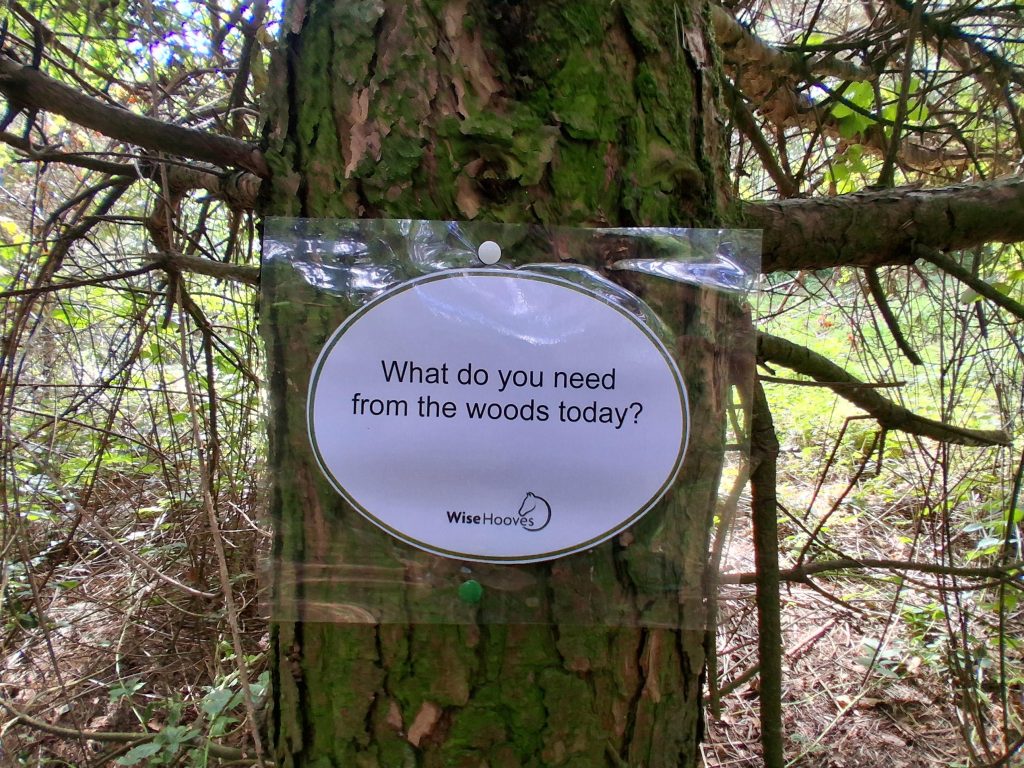
We have various prompts pinned on trees around the woods and clients can choose whether or when to read and respond to them. Examples include:
- Stand still and quiet. Identify 3 things you can hear. Then give all your attention to one of the things you can hear.
- Stand still. Identify everything you are aware of that is moving. Choose one movement to focus all your attention on.
- Here in the woods, relationships are all around us. What relationships can you see?
- Gently touch lots of different textures. What feelings does each texture elicit?
These simple prompts can lead to noticing nature, and after one or a few sessions, this noticing starts to happen without any prompting. Sessions are still about the client and working with whatever coaching goals they have, but nature becomes a bigger stimulus for thoughts and ideas.
So, what were you saying about clients getting angry?
When we relax in, and start to become aware of, nature, it’s hard not to start caring about it. Clients say that sessions in WiseWoods can lead to them becoming more aware of other environments they encounter, and more engaged with efforts to protect them. My intention is not to cause clients worry or frustration. But getting fired up about the importance of nature, and maybe just a bit angry about how nature is being abused, and then realising how we can help protect it can actually be empowering and motivating.
So yes, I think there is space in nature-led coaching sessions for a little bit of anger about what is happening to our environment.