We are bombarded with reminders that a new calendar year has started. Even if you ignored the new year parties, you probably couldn’t escape the fireworks outside, the numerous “2025 in review” newspaper articles or the flood of new year resolutions posts on social media. But what would our new year be like if we approached it like a horse?
Typical new year pressure
The Christmas season has developed a reputation for being the most stressful time of the year. The hassle of present buying, financial worries, family gatherings, social expectations, loneliness, and disrupted routines builds a level of pressure that is almost unbearable for many people.
Then before you know it, the new year celebration arrives and there’s more pressure adding to the Christmas fatigue. Everyone seems to be reflecting on the last year, making you feel you should too, even if you’d rather just forget it. And then the dreaded “what are your new year resolutions” question gets asked, and you feel more stressed, worrying about what “new you” you’re supposed to invent this time when you barely have the energy to get the old you out of bed and ready for work!
The horses’ new year
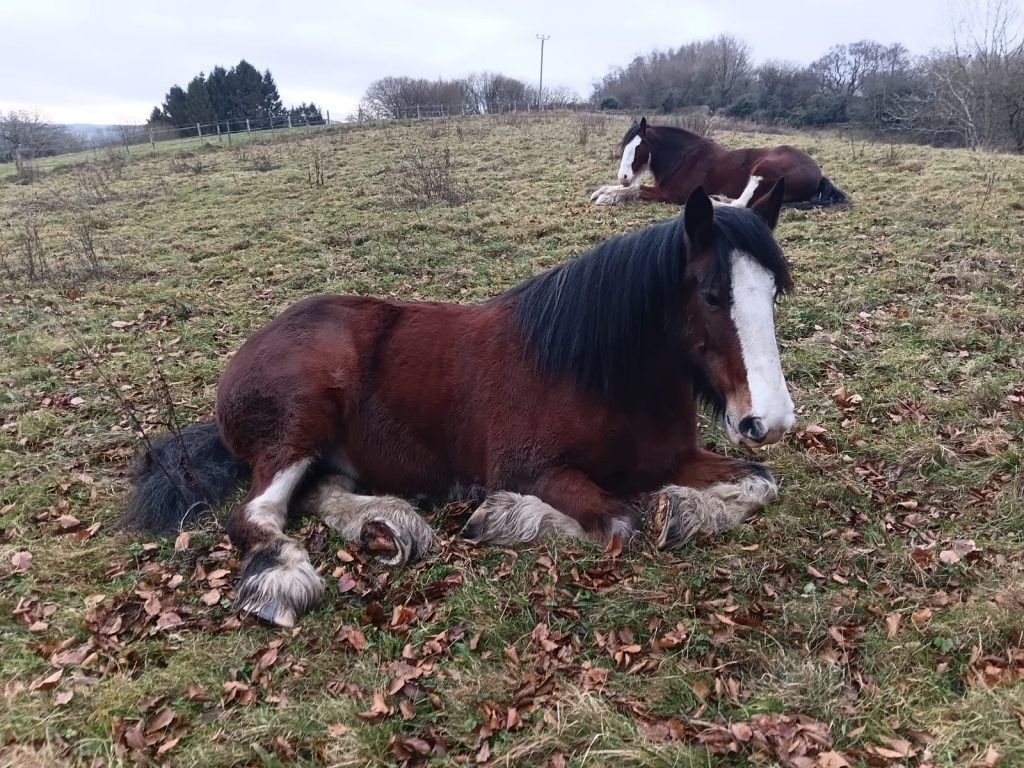
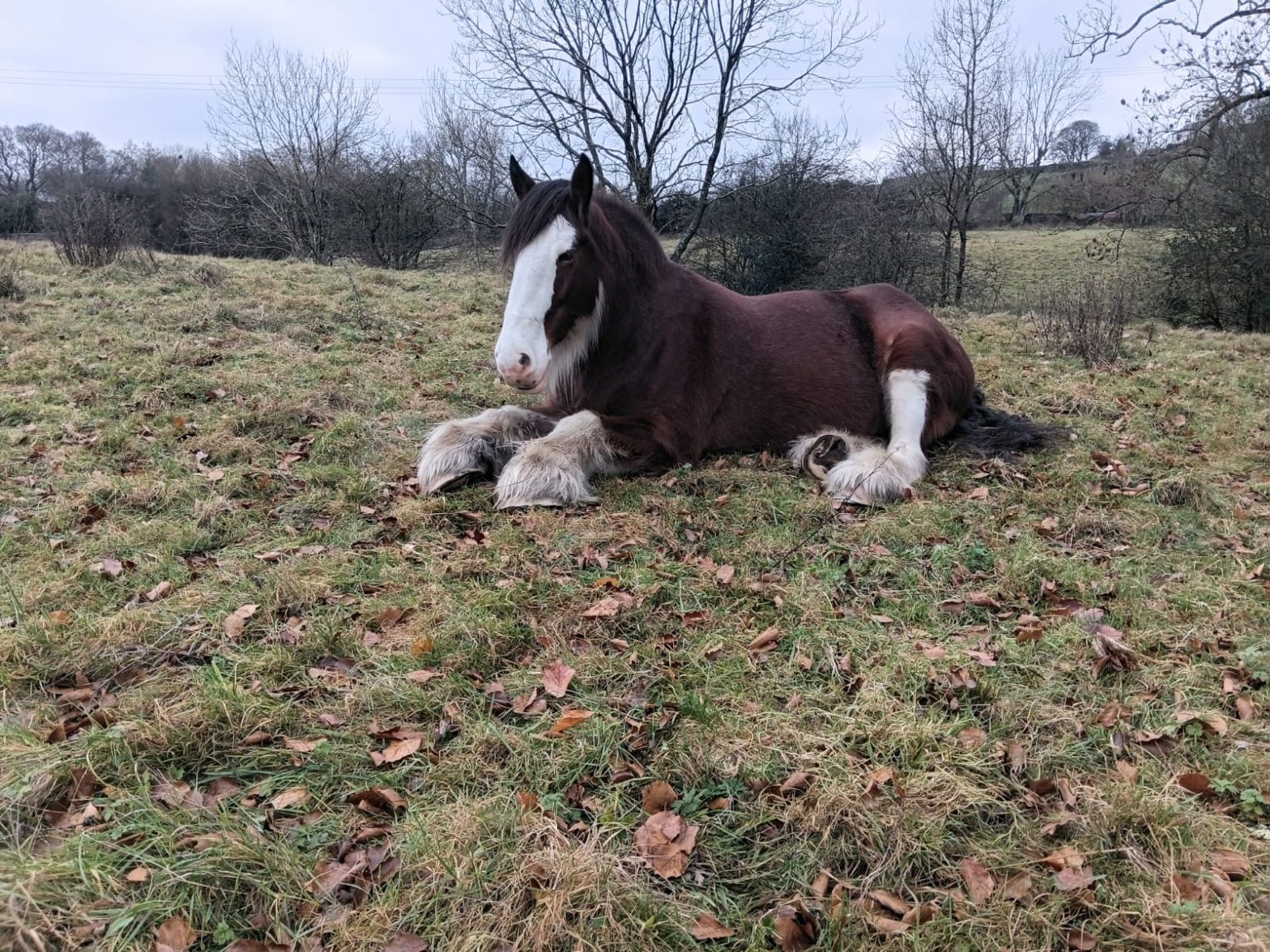
Yesterday, a volunteer took photos of Jack and Boston snoozing in the field. It was the perfect reminder of what the divide between the old and new year means to a horse: absolutely nothing! There was nothing for Jack and Boston to worry about in this transition from one day to the next. For them, it’s just another cycle of the sky getting dark and then getting light again.
Horses primarily exist “in the moment”. Of course, they still have memories. And there’s increasing scientific evidence that horses can make problem-solving decisions based on what they want to happen next, not just based on habit or instructions. The devious Shetland pony who can identify opportunities and plan his escape from any field isn’t just a jokey stereotype. It’s an example of the higher-level cognitive processes that equines have (which Shetlands may choose to use more frequently than their larger cousins!).
But despite having greater cognitive abilities than humans previously gave them credit for, horses don’t dwell on the past or worry about the future in the same way we do.
The year will be what it will be
When Jack and Boston were lying down yesterday, they weren’t analysing whether they had worked hard enough in 2025. They weren’t dwelling on the silly things they’d done months ago and feeling embarrassed. And they certainly weren’t worrying about what new tasks they might be asked to do in 2026 or whether there would be a good hay crop this summer.
They haven’t made any promises to themselves or to us about losing weight, walking a bit faster than snail’s pace when being ridden, or holding their feet up longer for the trimmer. They might do these things in 2026, or they might not, but if they do, it won’t be because they’ve been worrying for months about whether or how to do them.
Have a horsey new year!
I know, as humans, our brains are wired differently – we constantly analyse and hypothesise in a way that horses don’t. Critical (self) reflection and forward planning are important skills that help us learn and improve our lives and the world around us.
But they should be skills we use when we need and want to – not when a number on a calendar tells us to or when someone on Facebook pressures us to.
The transition from 2025 to 2026 was just another cycle of the sky getting dark and then becoming light again. If that happens to be a useful time for you to reflect or plan then go for it. But if it’s not the right time for you to unpack past memories and emotions or to start thinking about what comes next, then don’t do it. Definitely don’t do it just because of a date on the calendar or to comply with what everyone else seems to be doing.
If all you want to focus on is the sky getting dark and becoming light again – like Jack and Boston are doing right now – then that’s your perfect new year.
Happy horsey new year!
Contact us if you’d like to work with Jack and Boston at any time during the year.