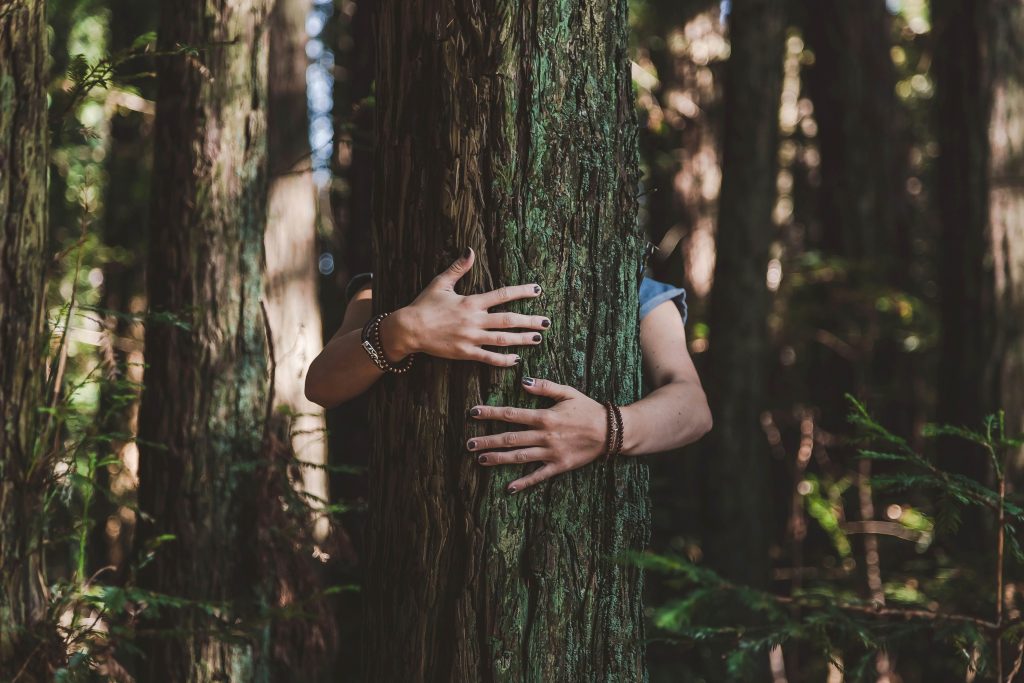

“Britain is one of the least ‘nature-connected’ nations in the world”. This newspaper headline stood out for me recently, not because it’s a shocking revelation, but because over the last few months I’ve been surrounded by evidence that backs up the statistics. We have become a nature-blind nation. That’s why, at WiseWoods, we’re passionate about helping people reconnect with nature.
What is nature connectedness?
Nature connectedness measures how close a person feels to the natural world. Do they see themselves as part of nature rather than separate from it? How much do they care for and interact with nature and see it as part of their identity? The article in The Guardian cited a study of 57,000 people which ranks Britain 55th out of 61 countries when it comes to nature connectedness. Clearly as a nation, we’ve become detached from the natural environment.
Research suggests that as we become more distant from nature, we care less about biodiversity and environmental protection. We do more damage. Perhaps it’s not surprising that in the UK, the Wildlife Trust reports that 16% of our species are at risk of being lost (for bird species, the figure is 43%). If we don’t feel any connection to these species, we don’t notice that our behaviour is hurting them or care whether they survive.
Observing our nature disconnection
We can see disconnection from nature all around us. Have a look next time you’re out. What signs do you see of people being distant from nature?
Here is a list of examples I observed in the last few days:
- gardens with plastic flowers and astroturf;
- plastic dog poo bags left hanging in hedges;
- children shouting at wildlife;
- adults who can’t identify any trees;
- children scared to touch plants;
- people staring at their phones while walking through beautiful countryside;
- someone scared of eating a freshly picked blackberry because it wasn’t plastic-wrapped;
- people throwing away the insides of their Halloween pumpkins rather than eating them;
- fake Halloween cobwebs strung across hedges;
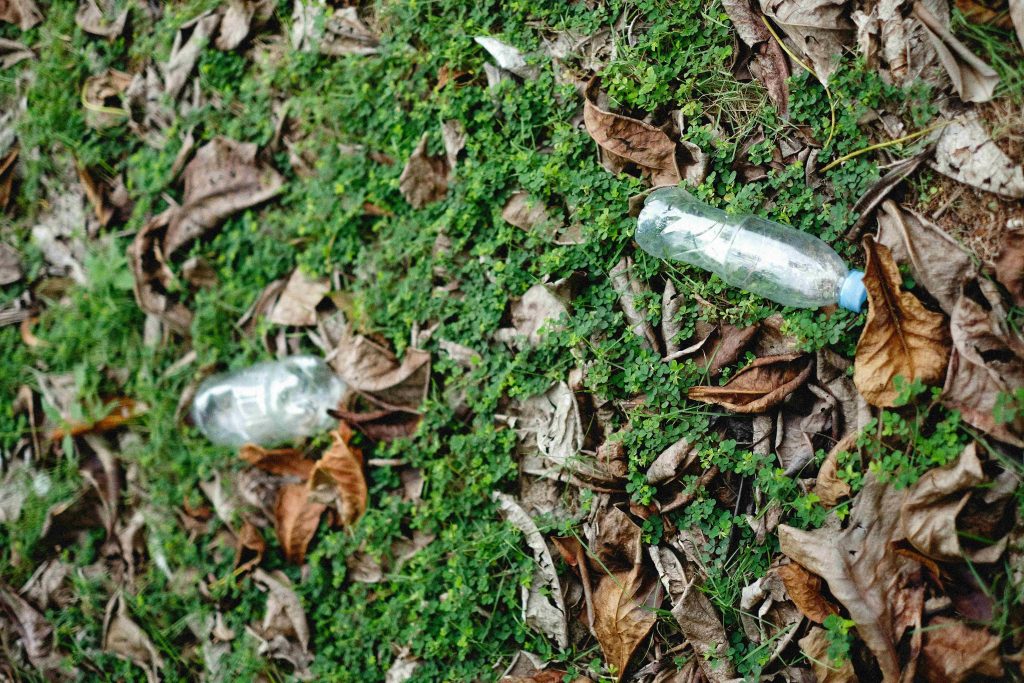
- fast food wrappers and drink bottles discarded on a river bank;
- very loud fireworks, multiple nights in a row.
Read the list again and try to think of at least one way each example contributes to environmental damage and/or harms our own wellbeing. If you can’t think of a reason, ask a friend if they have some ideas. (I’m not going to say ‘Google it’ because this blog wants you to get away from your screens for a while!)
Why is nature disconnection a problem?
As a society, we have learned to prioritise material wealth, entertainment, convenience, and cleanliness more than the wellbeing of nature. We have become numb to the environmental consequences of our actions and how these actions build up to create a huge threat to our planet.
Distancing ourselves from nature does not just have a ‘big picture’ environmental impact. It affects us as individuals too – mentally, physically and emotionally. We know we’re becoming more sedentary, spending more time indoors glued to our phones, computers and TV screens, making ourselves less physically and mentally healthy.
A child from a recent school group visit noticed, “Hey, I can breathe more easily here in the woods, is that what trees do for us?”
Woohoo, yes, well spotted!
Spending time outside in nature can lower our cortisol levels, reduce stress and anxiety, make us feel happier and more relaxed, help us think more clearly, and even lower blood pressure. It can make us healthier.
How can WiseWoods help you reconnect with nature?
The good news is, it’s really easy to start reconnecting with nature, regardless of where you live or how busy you are.
At WiseWoods we’re committed to creating a space where people can reconnect with nature in a way that suits them – a little bit at a time, or total immersion!
Here are some options that are already available (or coming soon):
- walk-and-talk coaching sessions in the woods (can also be combined with equine facilitated learning with Jack and Boston);
- volunteering (for an hour or a whole day) to help with the many and varied tasks to restore and improve WiseWoods;
- mindful photography walks (coming soon, keep an eye out for news!);
- school group visits (e.g., for community volunteering or nature education activities).
What else can you do?
You don’t have to come to WiseWoods to reconnect with nature (although we’d love you to). Wherever you are, try to find something to do every day that brings you a little closer to nature.
Here are some ideas:
- Go for a short walk and look for at least three signs of wildlife. Even in a city you will find them if you look carefully. Stand still and focus on one of them for a minute. It might just be a bug crawling up a wall. Get curious about what it’s doing and why.
- Look after a house plant. Water and feed it. Talk to it!
- Listen for birds. If you can hear bird song, focus harder and try to distinguish different sounds – are they coming from different birds or from the same bird varying its call?
- Touch a tree. Even in a city, you’ll find a tree somewhere in a public space. Touch the bark and the leaves. If you feel confident enough, give the tree a hug!
- On your journey to work or school, try different routes (if there are options available). Make a mental note of which route seems to offer you more connection with nature (the sights, sounds or even smells). If you only have one possible route, make a note of the seasonal changes you can see, hear or smell.
Once you get started, you’ll quickly find lots of other ways to make big and small connections with nature.
Contact us to discuss how WiseHooves and WiseWoods could help you reconnect with nature and boost your wellbeing at the same time.